Artificial olive trees in corporate spaces
Artificial olive trees allow you to reinforce your corporate image without maintenance. They work well in offices, hotels, and stores

Contemporary interior design seeks to strike a balance between aesthetics, functionality, and well-being. In this context, large and small artificial trees have become essential allies in interior design. Their presence brings visual harmony and naturalness, without the limitations of maintenance or natural light.
Thanks to the evolution of realistic artificial plants, it is now possible to design environments with permanent freshness and a high-quality finish. These decorative elements are suitable for homes, offices, hotels, or stores, adding personality and aesthetic coherence. The key is to choose the right model for each space, taking into account the scale, style, and purpose of the design.
Realistic artificial trees have redefined modern décor. Their texture, color, and detail make them virtually indistinguishable from a living plant. Made from high-end technical materials such as polyethylene, polyurethane, or synthetic silk, they offer durability, safety, and striking realism.
Thanks to technical advances, artificial plant suppliers offer pieces with veins, color nuances, and natural finishes. This makes artificial trees a smart investment for companies that purchase artificial plants wholesale, both for contract projects and corporate spaces.
Before deciding on a model, consider these key aspects:
The size of the tree must be balanced with the space.
Although we don’t need it to live, lighting influences how we perceive the realism of foliage. A decorative olive tree placed next to a natural light source will look even more authentic.
Choose realistic artificial plants with matte-textured sheets, natural pigments, and sturdy trunks. Avoid excessive shine or flat plastic materials.
The base should blend in with the overall aesthetic: polished concrete for industrial styles, natural fibers for bohemian décor, or handmade ceramics for Mediterranean settings.
Five common mistakes to avoid:
Each style has its own visual language, and large and small artificial trees can adapt to all of them. The key is to choose the type of tree, its scale, and its finish based on the decorative style.
Next, we explore the most representative styles in contemporary interior design and how to integrate them coherently.
Scandinavian minimalism focuses on natural light, pure materials, and visual serenity. In this context, artificial trees should be a complement, not a dominant element.
For example, in a Nordic living room with white walls and light oak furniture, an artificial olive tree measuring 1.80 m in a gray cylindrical pot creates a perfect balance. Pair it with a smaller artificial plant on a shelf or side table.
Pro tip: It’s all about proportion. A single realistic artificial tree can transform a room when placed at the right angle.
Mediterranean style celebrates nature and authenticity. It is warm, relaxed, and full of references to the sea, stone, and sun. Large and small artificial trees here evoke calm and tradition, but with a contemporary touch.
For example, in a restaurant or house with natural stone flooring and sand tones, two large artificial olive trees at the entrance add presence, while small artificial trees in the windows soften the transition between indoors and outdoors.
Born in converted factories and New York lofts, the industrial style mixes hard surfaces (metal, concrete, brick) with natural elements that add humanity. Here, large artificial trees are the perfect tool to balance that structural coldness.
For example, in an office with exposed brick walls and black pendant lamps, a large 2.20 m artificial ficus tree softens the space next to a leather sofa. Two small decorative plants at either end balance the composition.
Professional tip: in this style, green is the emotional counterpoint to metal. The more sober the environment, the more vital the presence of the tree becomes.
The classic style seeks proportion, symmetry, and balance. Interiors often feature marble, fine woods, and heavy fabrics. In this context, large and small artificial trees bring life without detracting from the sophistication.
For example, in the lobby of a classic hotel, two large artificial laurel trees on either side of a fireplace or mirror add proportion and sophistication. In the corners, two smaller versions of the same tree maintain visual harmony.
The tropical style celebrates visual abundance, organic materials, and free spirit. Here, artificial trees take center stage: large, lush, and full of movement.
For example, in a boutique hotel or creative coworking space, a 2.5 m artificial palm tree next to a beige linen sofa creates a vibrant focal point. On tables and shelves, small artificial monsteras add rhythm and dynamism.
Pro tip: The secret to tropical style is not excess, but fluidity. Alternate large and small leaves, different heights, and textures to create harmony within visual chaos.
This style, a strong trend for 2025, combines the best of modern design with sustainable values. It is characterized by clean lines, recyclable materials, and a direct connection with nature.
For example, in a modern eco-friendly office, a medium-sized artificial tree with soft leaves defines the relaxation area. Small, compact trees on the desks reinforce the feeling of freshness.
Sustainability is not incompatible with beauty: conscious design is the new luxury.
The secret to visual balance lies in composition. That’s why combining large artificial trees with smaller ones creates depth, rhythm, and consistency without overwhelming the space.
An ideal example: a large artificial olive tree in the center of the room and, in the corners, ficus trees or small artificial shrubs that complement the view without competing with the main feature.
A large ficus tree next to the main window and small artificial palm trees on the desks can provide a sense of calm and productivity.
Two large artificial olive trees flanking the entrance and several medium-sized artificial trees scattered among the tables will create a welcoming atmosphere that requires no maintenance.
Combining large and small artificial trees at different heights, accompanied by warm lighting, will provide natural harmony throughout the year.
For large or corporate projects, it is best to use a specialized artificial plant supplier. A professional guarantees certified materials, consistent design, and durability.
What to consider before buying:
Choosing large and small artificial trees is not just a decorative decision: it is a design strategy, since they are elements that transform the atmosphere, contribute to well-being, and define the visual identity of a space.
From a realistic artificial olive tree in a Mediterranean living room to a tall ficus in an office, each piece has the power to tell a story without words. And when chosen with sensitivity and consistency, artificial trees become the true storytellers of today’s interior design.
How to choose large and small artificial trees?
Before buying, consider the size of the space, the available light, and the decorative style. Combine heights and textures to achieve harmony. In living rooms, large trees add character; small ones add visual rhythm.
What decorative style goes well with an artificial olive tree?
The artificial olive tree is versatile: it fits perfectly into Mediterranean, Nordic, or natural styles. It brings serenity and balance, and can be used both indoors and on bright terraces.
Where can I buy realistic artificial trees?
Look for an artificial plant supplier that guarantees quality, certified materials, and custom designs. Specialists can advise you on size, style, and maintenance.
Are modern artificial trees sustainable?
Yes. Today’s artificial trees are made from recyclable materials and using processes with low environmental impact. In addition, their long lifespan reduces waste and consumption of resources such as water and fertilizers.
Can I use artificial trees in workspaces?
Of course. In offices or shops, large and small artificial trees help divide areas, improve acoustics, and create a pleasant environment without constant maintenance.
Artificial olive trees allow you to reinforce your corporate image without maintenance. They work well in offices, hotels, and stores
This year marks a turning point in interior design. Nature, reinterpreted through design, is establishing itself as the dominant visual
In the business world, decoration has gone from being an aesthetic detail to a strategic tool. Today, buying artificial plants
For years, artificial plants were seen as mere decorative accessories. Today, however, they occupy a central place in contemporary interior
Interior design and commercial architecture are undergoing a profound transformation. More and more companies are incorporating vegetation as part of
Contemporary interior design seeks to strike a balance between aesthetics, functionality, and well-being. In this context, large and small artificial
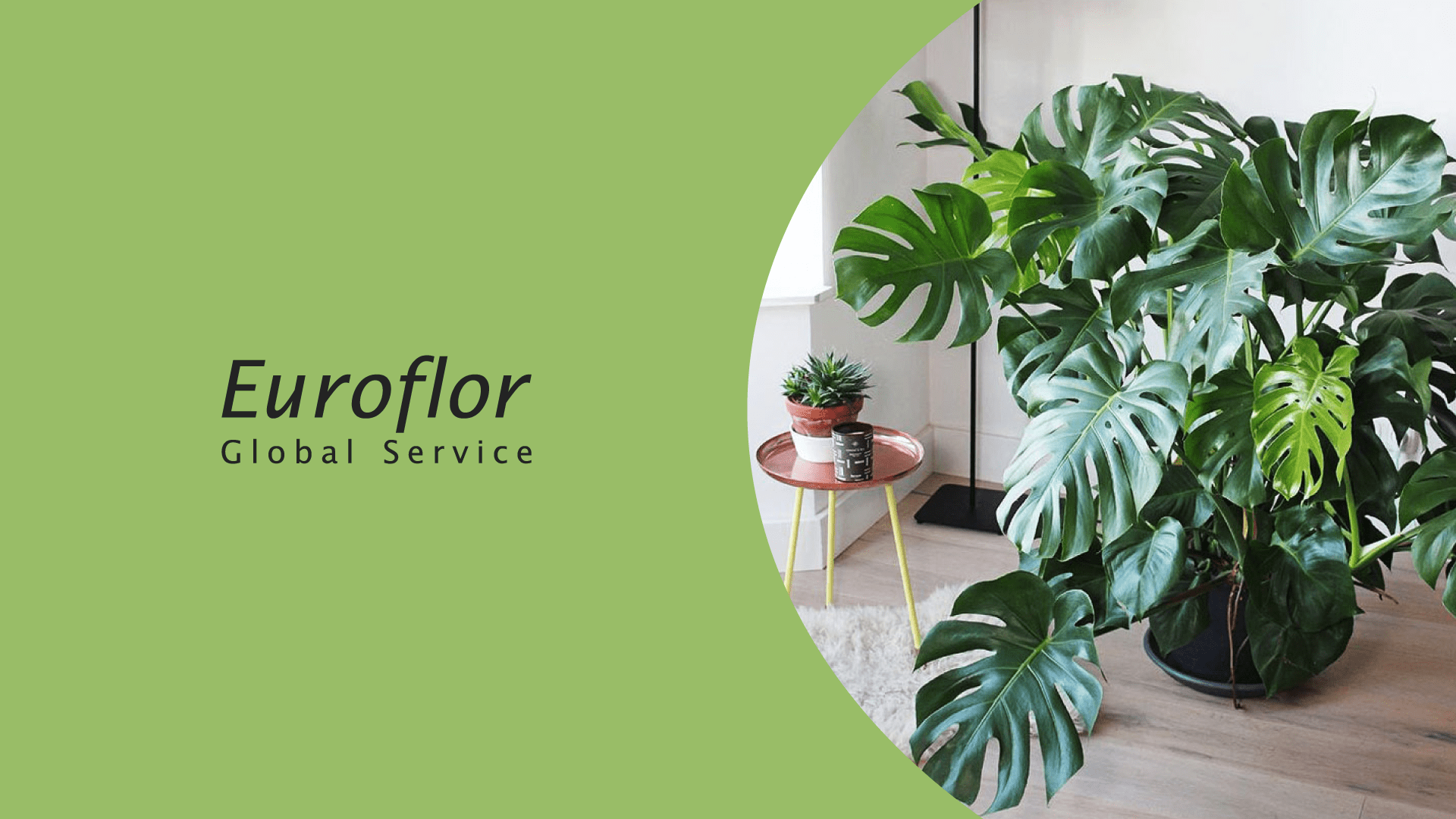
The charm of artificial plants in home décor Artificial plants have gained popularity in interior design due to their combination
In today’s world, where sustainability and environmental responsibility are increasingly important, the decoration of commercial spaces has also evolved. Artificial

Creating a stimulating work environment Workspace design plays a crucial role in productivity and creativity. Artificial plants have become a

Home décor has entered a new era with the arrival of artificial plants that combine beauty, realism, and practicality. These